Panasonic CX-442 Photoelectric Sensor About
SPECIFICATION
| Max Pressure | 1000 bar |
| Related Humidity | 96% |
| Cable Length | 0.5 - 10 m |
| Current | 200 mA |
| Voltage | 110-220 V |
| Output Current | 11 A |
| Model Name/Number | CX-442 |
| Usage/Application | Measurement |
| Brand | Panasonic |
| Response Time | 5 msec |
| Operating Temp | 0 - 55 Degree Celsius |
| Sensing Distance | 100 / 200 / 300 mm |
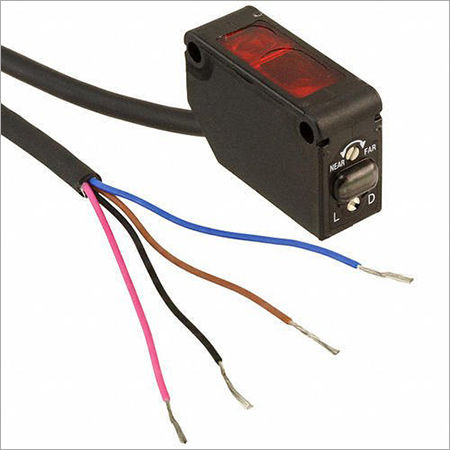
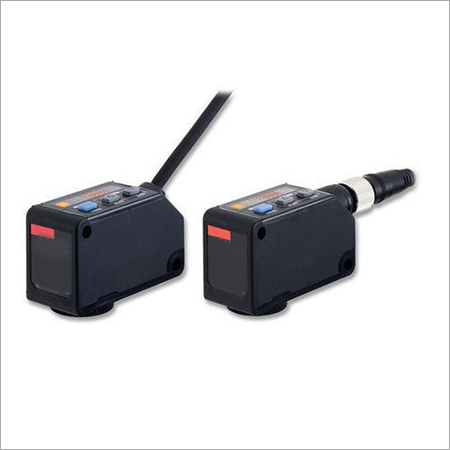
Versatile Sensing TechnologyThe Panasonic CX-442 incorporates both diffuse reflection and through-beam sensing types. This dual capability allows the sensor to be easily adaptable to a variety of detection scenarios, from detecting presence or absence to monitoring objects on a conveyor, meeting diverse industrial automation needs.
Wide Operating Range for ReliabilityDesigned to withstand challenging environments, the CX-442 operates reliably between -25C and 55C and can be stored in conditions from -30C to 70C. These features make it suitable for use in varying climates and industrial settings, ensuring minimal downtime and maintenance.
FAQ's of Panasonic CX-442 Photoelectric Sensor:
Q: How does the Panasonic CX-442 Photoelectric Sensor function in an industrial environment?
A: The CX-442 detects objects using either diffuse reflection or through-beam technology, enabling it to sense the presence or absence of targets on production lines, packaging systems, or material handling equipment in industrial environments.
Q: What output types are available with the Panasonic CX-442 sensor?
A: This sensor offers both PNP and NPN output options, providing compatibility with a wide range of industrial control systems and simplifying integration into existing automation setups.
Q: When should I use diffuse reflection versus through-beam mode on the CX-442?
A: Use diffuse reflection mode for detecting objects with varying colors and surfaces at close range. Choose through-beam mode when you require higher detection accuracy over longer distances or for transparent objects.
Q: Where can the Panasonic CX-442 be installed for optimal performance?
A: Install this sensor in clean, well-aligned positions with a clear optical path, away from direct sunlight or reflective surfaces that could interfere with detection accuracy, for the best performance in industrial applications.
Q: What is the process for wiring the CX-442 sensor into an automation system?
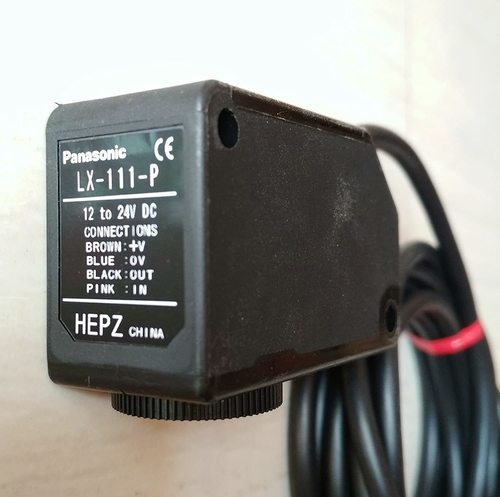
A: To wire the CX-442, connect its output (PNP or NPN, as required) to your control system, and supply it with 12 to 24 V DC power within the specified parameters. Ensure correct polarity and cable management to avoid signal interference.
Q: How does high precision benefit my application when using the CX-442 Photoelectric Sensor?
A: High precision ensures the sensor can detect even small or inconsistently shaped objects accurately, reducing error rates and improving the quality and reliability of automated processes in your facility.

 English
 Spanish
 French
 German
 Italian
 Chinese (Simplified)
 Japanese
 Korean
 Arabic
 Portuguese

 Send Inquiry



 Send Inquiry
 Send Inquiry
 Send SMS
 Call Me Free

